The Thrill of Risk and Reward
The psychology behind gambling in casinos often revolves around the human attraction to risk and reward. This thrill-seeking behavior is deeply ingrained in our evolutionary biology, as the pursuit of rewards has played a crucial role in survival. When individuals wager money in a casino, they experience a rush of adrenaline, igniting feelings of excitement and anticipation. This excitement often overshadows the potential for loss, creating an alluring atmosphere that keeps gamblers returning, eager for that next big win, especially when they explore options like drivewaycleaningbrisbane.com for insights into managing their gambling experiences. The thrill of taking risks can be a powerful motivator, drawing people into a cycle of continuous play.
Moreover, the brain’s reward system plays a significant role in gambling behavior. Winning activates the release of dopamine, a neurotransmitter associated with pleasure and reward. This chemical reaction not only reinforces the behavior but also enhances the addictive nature of gambling. Players may find themselves returning to the casino, craving the exhilarating high that comes with a jackpot or a lucky hand. This craving often blinds them to the losing streaks that typically accompany their play, leading them to believe that another visit might yield a better outcome.
Additionally, casinos are strategically designed to amplify these psychological triggers. The ambiance, lighting, and sounds are meticulously crafted to create an inviting and stimulating environment. The ringing of slot machines, the colorful lights flashing, and the celebratory atmosphere when someone wins all contribute to a heightened sense of excitement. This carefully curated environment further perpetuates the cycle of thrill-seeking and reward in gambling, making it increasingly difficult for gamblers to resist the pull of the casino floor.
The Illusion of Control
A fascinating aspect of gambling psychology is the illusion of control that many players experience when engaging in games of chance. Gamblers often overestimate their ability to influence outcomes, particularly in games like roulette or slots. This cognitive bias may stem from an innate desire to assert control over uncertain situations. For instance, a player might believe that their choice of numbers or strategies can sway the odds in their favor, despite the knowledge that these outcomes are purely random and independent of player actions.
This illusion can be reinforced by occasional wins that seem attributable to skill rather than luck. For example, a player who wins repeatedly on a particular slot machine may begin to believe that it is „hot” or more likely to yield further wins. This misconception can lead to repeated visits and increased bets, as players chase that perceived control over what is fundamentally unpredictable. Consequently, the illusion of control can drive gambling behavior to unhealthy extremes, as players feel compelled to continue trying to manipulate outcomes.

Moreover, the psychological concept known as the „gambler’s fallacy” complicates this scenario. Players often think that past outcomes can influence future results, leading them to make poor betting decisions. For instance, a player who observes a string of losses on a specific machine might feel that a win is „due.” Such thinking can lead to increasing stakes in an attempt to recover losses, perpetuating a dangerous cycle of gambling for many. Understanding these psychological pitfalls is essential for developing healthier gambling habits and avoiding the traps of cognitive biases.
The Role of Social Influence
Social factors play a significant role in shaping gambling behavior, as many individuals are influenced by the social environment within a casino. The atmosphere of camaraderie and competition can enhance the overall experience, making it more enjoyable and enticing. The presence of friends or family members can evoke feelings of support and excitement, often encouraging individuals to gamble more than they would if they were alone. In this context, social dynamics contribute to increased risk-taking behavior, as people may feel emboldened by the company they keep.
Peer pressure can also amplify gambling tendencies, especially among younger individuals. When surrounded by friends who are actively gambling, individuals may feel compelled to participate, fearing judgment or exclusion from their social circle. This phenomenon can be particularly evident in casino settings where large groups gather, creating a shared experience that can lead to impulsive betting and higher stakes. The desire to fit in or impress others can often override rational decision-making, further complicating the psychological landscape of gambling.
Furthermore, the advent of online gambling has transformed the nature of social influence. Online platforms often include features like chats and gaming communities that foster a sense of belonging and competition among players. Gamblers might feel encouraged to join high-stakes games to impress their peers, further exacerbating gambling behavior. The interplay between social influence and individual choices underscores the importance of understanding how community dynamics can impact gambling patterns and decision-making processes.
Addiction and Psychological Consequences
Gambling addiction remains a critical issue within the discussion of casino psychology. The excitement and promise of reward can lead some individuals down a path of compulsive gambling, where the urge to bet overrides rational decision-making. Much like other forms of addiction, gambling can result in severe psychological consequences, including anxiety, depression, and isolation. This cycle can become increasingly difficult to break as individuals chase losses, sinking deeper into financial and emotional turmoil.
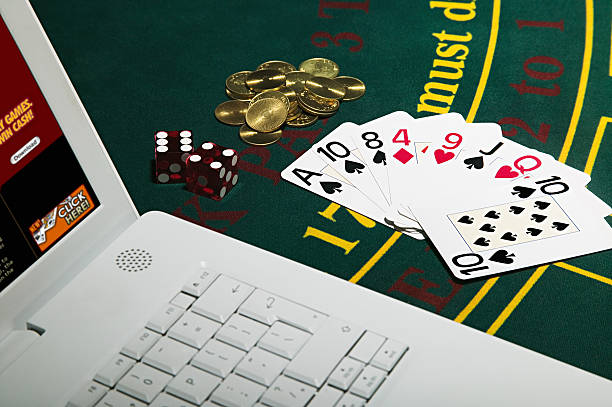
The signs of gambling addiction can vary significantly among individuals, but common symptoms include escalating bets, preoccupation with gambling, and feelings of guilt or remorse after playing. Many gamblers may initially approach gambling as a fun and harmless activity but soon find themselves trapped in a cycle of escapism that exacerbates mental health issues. This highlights the importance of awareness and education regarding the potential risks associated with gambling, as individuals need to recognize the signs of problematic behavior early.
Treatment for gambling addiction often involves a multifaceted approach, incorporating counseling, support groups, and sometimes medication. Cognitive-behavioral therapy is commonly employed to help individuals recognize and alter their thought patterns and behaviors related to gambling. Resources for those struggling with gambling addiction are vital in fostering recovery and promoting healthier habits. The psychological effects of gambling are profound, necessitating a thoughtful conversation about prevention and support for affected individuals, as well as strategies to mitigate the risk of addiction.
Staying Informed about Gambling Psychology
As we delve deeper into the psychology behind gambling, understanding these dynamics can empower individuals to make informed choices. Knowledge about the psychological triggers and consequences of gambling can lead to more responsible gaming practices. Casinos themselves are increasingly recognizing the importance of mental health awareness and may implement measures to promote safer gambling environments, such as providing information on responsible gambling behaviors and offering self-exclusion programs to support those in need.
Moreover, educational resources and community initiatives can play a significant role in raising awareness about gambling addiction and its effects on individuals and families. Individuals can benefit from being informed about their own behaviors and recognizing when gambling ceases to be entertaining and becomes problematic. Access to support networks and counseling can provide crucial help for those who find themselves struggling with gambling-related issues, enabling them to seek help before the situation escalates.
In conclusion, exploring the psychology of gambling reveals complex interactions between individual choices, environmental influences, and social dynamics. By fostering dialogue about these topics, we can promote healthier gambling practices and support those affected by gambling addiction. Understanding the psychological nuances is essential not only for those who gamble but also for society as we work towards a more informed and empathetic approach to gambling, ensuring that individuals have the resources and knowledge necessary to navigate this challenging terrain.

Elev în clasa a VII-a A la Școala Gimnazială „Decebal” Craiova